|
2026 MVMA Fall Staff Seminar
Lessons in Reconstruction:
Laddering Up to Success
Seminar: Thursday, Nov. 12
9 a.m. - 4:00 p.m.
Bunker Hills Event Center, Coon Rapids, MN
or attend online
Earn 6.0 hours of interactive medical continuing education credits
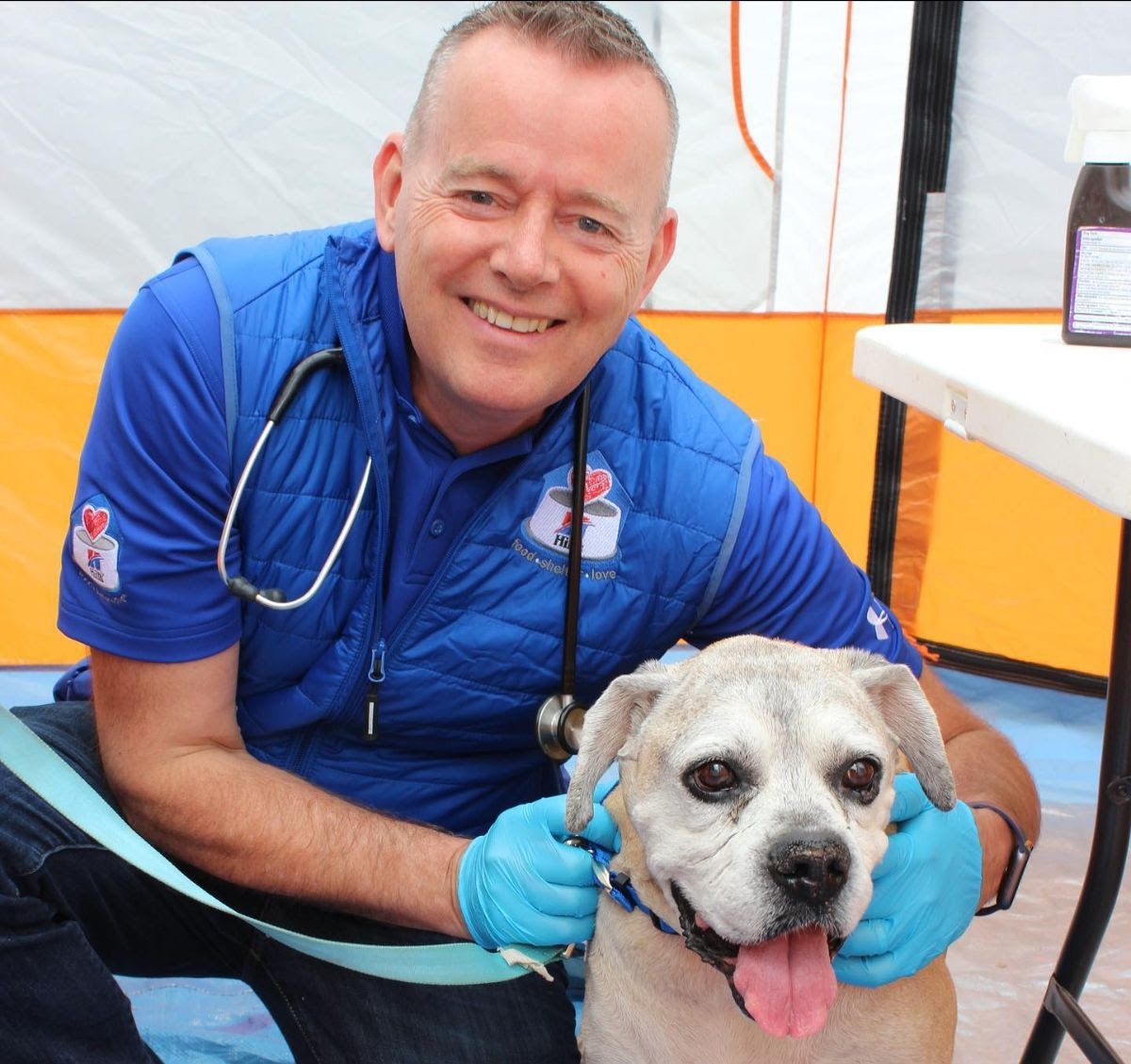 Jolle Kirpensteijn, DVM, PhD, DACVS & ECVS, Jolle Kirpensteijn, DVM, PhD, DACVS & ECVS, Co-Owner, Sorry for Saying Sorry Media, Inc.
Dr. Jolle Kirpensteijn graduated from Utrecht University Faculty of Veterinary Medicine (the Netherlands) in 1988. He completed a small animal medicine and surgery internship at the University of Georgia (USA) in 1989, followed by a residency in small animal surgery and a master’s degree at Kansas State University. He further specialized with a fellowship in surgical oncology at Colorado State University’s Comparative Oncology Unit. In 1993, Jolle returned to Europe to join the faculty at Utrecht University, focusing on surgical oncology and soft tissue surgery. He was appointed Professor of Surgery at the University of Copenhagen in 2005 and Professor of Soft Tissue Surgery at Utrecht University in 2008. He is a Diplomate of both the American and European Colleges of Veterinary Surgeons and holds Founding Fellow status in Surgical Oncology (2012) and Minimally Invasive Surgery (Small Animal Soft Tissue, 2017) with the American College of Veterinary Surgeons (ACVS). In 2013, Jolle transitioned to industry, joining Hill’s Pet Nutrition (USA) as Chief Professional Relations Officer. He was promoted to Chief Professional Veterinary Officer for the US in 2018 and served as Global Chief Veterinary Officer until July 2026. His main professional passions include surgical oncology, reconstructive surgery and minimally invasive surgery, and AI, digital innovation, and social media in veterinary medicine. Jolle also co-hosts three popular veterinary podcasts, Purr Podcast (for cat veterinary professionals), the CatCafe Podcast (for cat owners) and the Veterinary Surgery podcast.
Lessons in Reconstruction: Laddering Up to Success
8:30 am-9:00 am
Onsite attendees: Registration and Continental Breakfast
Online attendees: Log into WebEx
9:00 am-9:50 am-Wound Management in the 21st Century
Traumatic wound management begins the same way as any trauma case; a brief history is taken, ABCs are assessed, bleeding is controlled, and the patient is stabilized. When evaluating the wound itself, clinicians focus on its location, size, and depth. While traumatic wounds can look alarming, they are seldom immediately life-threatening. That said, how a wound is managed matters enormously over time. Poor technique increases the risk of infection, wound breakdown, and fluid collection, complications that can escalate to serious, potentially fatal sepsis.
10:00 am-10:50 am-Local Wounds Need a Local Solution
Skin defects in dogs and cats, whether from trauma, tumor excision, or infection, frequently leave wounds that cannot be closed by simple apposition alone. In these cases, local subdermal flaps offer an elegant and reliable solution, using adjacent tissue to achieve tension-free closure while preserving blood supply. This lecture explores the principles behind subdermal plexus flaps, including patient selection, wound preparation, and flap design. Practical considerations such as flap geometry, undermining technique, and common pitfalls are discussed, equipping clinicians with the skills to tackle challenging wound closures in everyday small animal practice.
11:00 am-11:50 pm-Act Heads on with Wounds on the Face
The head and face present unique reconstructive challenges in dogs and cats, given the complex anatomy, limited skin laxity, and cosmetic importance of the region. Wounds in this area, arising from trauma, bite injuries, or surgical resection, demand careful planning to achieve functional and aesthetically acceptable outcomes. This lecture focuses on practical skin reconstruction techniques commonly applied to the head, including direct closure, advancement flaps, and rotation flaps. The influence of species and breed on tissue availability and flap behavior is highlighted, as brachycephalic breeds often offer distinct anatomical advantages. Attendees will gain a structured approach to assessing and reconstructing head wounds, with an emphasis on technique selection based on wound location, size, and available local tissue.
11:50 am-1:00 pm-Lunch
1:00 pm-1:50 pm-Great Axial Pedicle Flaps for the Rescue
When wounds are too large or poorly vascularized for local subdermal flaps alone, axial pattern flaps provide a powerful reconstructive option. Unlike random subdermal flaps, axial pattern flaps are built around a direct cutaneous artery and vein, giving them a robust and predictable blood supply that allows transfer of significantly larger skin territories. This lecture covers the anatomical basis of the most clinically relevant axial pattern flaps in dogs and cats, including the thoracodorsal, omocervical, caudal superficial epigastric, and genicular flaps, among others. Flap planning, harvest technique, and rotation arcs are discussed in detail, along with strategies to avoid vascular compromise and donor site complications. By the end of this lecture, clinicians will have a practical framework for selecting and executing the most appropriate axial pattern flap to achieve reliable closure of extensive or complex wounds in small animal patients.
2:00 pm-2:50 pm-How to Deal with Distal Limb Wounds
Wounds on the distal limbs of dogs and cats represent some of the most demanding reconstructive challenges in small animal surgery. The scarcity of local tissue, poor skin elasticity, and the mechanical stresses imposed by joint movement make primary closure frequently impossible, while the relative lack of direct cutaneous vessels in this region limits axial pattern flap options. This lecture addresses the reconstructive ladder for distal limb wounds, from wound bed preparation and second intention healing to the practical application of the flaps available in this anatomically constrained region. Techniques such as the paw salvage flap, digital fillet flap, and the use of distant flaps including the thoracodorsal and caudal superficial epigastric axial pattern flaps for proximal limb defects are explored. The role of negative pressure wound therapy as a bridge to reconstruction is also discussed. Attendees will leave with a realistic and systematic approach to managing these challenging wounds, balancing limb salvage with patient welfare and long-term functional outcome.
3:00 pm-3:50 pm-Wound Reconstruction Complications and How to Prevent Them
Even with meticulous surgical planning and technique, wound complications following reconstructive procedures remain a reality in small animal practice. This lecture takes an honest and practical look at the most common complications encountered after skin reconstruction in dogs and cats, including dehiscence, infection, seroma and hematoma formation, flap necrosis, and scar contracture. The underlying causes of each complication are examined; from patient-related factors such as underlying disease, poor nutritional status, and self-trauma to surgery-related factors including excessive tension, poor flap design, and inadequate dead space management. Early recognition and prompt intervention are emphasized, with practical guidance on how to salvage a failing flap or manage a dehisced wound before the situation escalates. Preventive strategies are woven throughout, reinforcing the importance of thorough preoperative planning, gentle tissue handling, and appropriate postoperative care. By understanding why complications occur and how to respond effectively, clinicians will be better equipped to achieve successful outcomes even when reconstruction does not go entirely to plan.
This Seminar is Sponsored by

ADDITIONAL SEMINAR INFORMATION
- Earn 6.0 hours of continuing education credits
- Availability to participate onsite (limited) and online
- Breaks and lunch are provided to onsite attendees
- Handouts are provided to all attendees
- Registration changes (onsite to online) must be received 72 hours prior to the seminar. Changes incur a $40 administrative fee.
- Registration cancellations must be received 72 hours prior to the seminar. Cancellation refund less a 10% administrative fee.
-
Disclaimer: All logos, photos, etc. used in this presentation are the property of their respective copyright owners and are used here for educational purposes only. Please do not take photos of any of the slides.
Online Registration Option
Attend the Seminar, which will begin at 9:00 am (central), from anywhere you have an internet connection! Choose the "online" option during registration and you will be emailed a secure link to attend the live session on the day of the seminar. Only the registrant has access with this link as the attendees are monitored and must sign-in with their name and email address. The registrant is also the only one eligible for the CE credits associated with the Seminar.
What will you experience: Once you have accessed the Seminar your computer screen will be dominated with a direct-feed PowerPoint for clarity of viewing, plus the audio of the presenter as the slides automatically advance on your screen. A small video window on the side of your screen will show the presenter. During the live Q&A session you are able to submit questions.
SEMINAR LOCATION
Bunker Hills Event Center
12800 Bunker Prairie Road NW
Coon Rapids, MN 55448
Seminar Costs
Early-bird registration fee
(now thru October 1, 2026) |
|
Regular Registration fees
(October 2 - October 29, 2026) |
|
| MVMA Member / Non-MN DVM |
$195 |
MVMA Member / Non-MN DVM |
$220 |
| MVMA Life / Non-Practicing DVM / Recent Graduate / Graduate Student Intern or Resident |
$130 |
MVMA Life / Non-Practicing DVM / Recent Graduate / Graduate Student Intern or Resident |
$155 |
| MVMA Non-DVM Veterinary Professional |
$110 |
MVMA Non-DVM Veterinary Professional |
$140 |
| Technician / Staff / Other |
$125 |
Technician / Staff / Other |
$150 |
| Non-Member MN Licensed DVM |
$245 |
Non-Member MN Licensed DVM |
$270 |
| DVM Student |
$80 |
DVM Student |
$95 |
If space is still available after October 29, 2026, prices will increase by $50.
|