2022 MVMA Summer Seminar
Wound Management and Closure Techniques
Bryden J. Stanley, BVMS, MSc, MANZCVS, DACVS
Emeritus Professor of Surgery, Michigan State University
Thursday, June 23, 2022
9:00 am-3:45 pm
ONSITE and ONLINE
Online registration is now closed, please call the office to register.
This program has been approved for 6.0 hours of continuing education credits
in jurisdictions which recognize RACE approval. * See additional information for more CE details
Register now!
bryden j. stanley, bvms, ms, MSc, manzcvs, mrcvs, dacvs
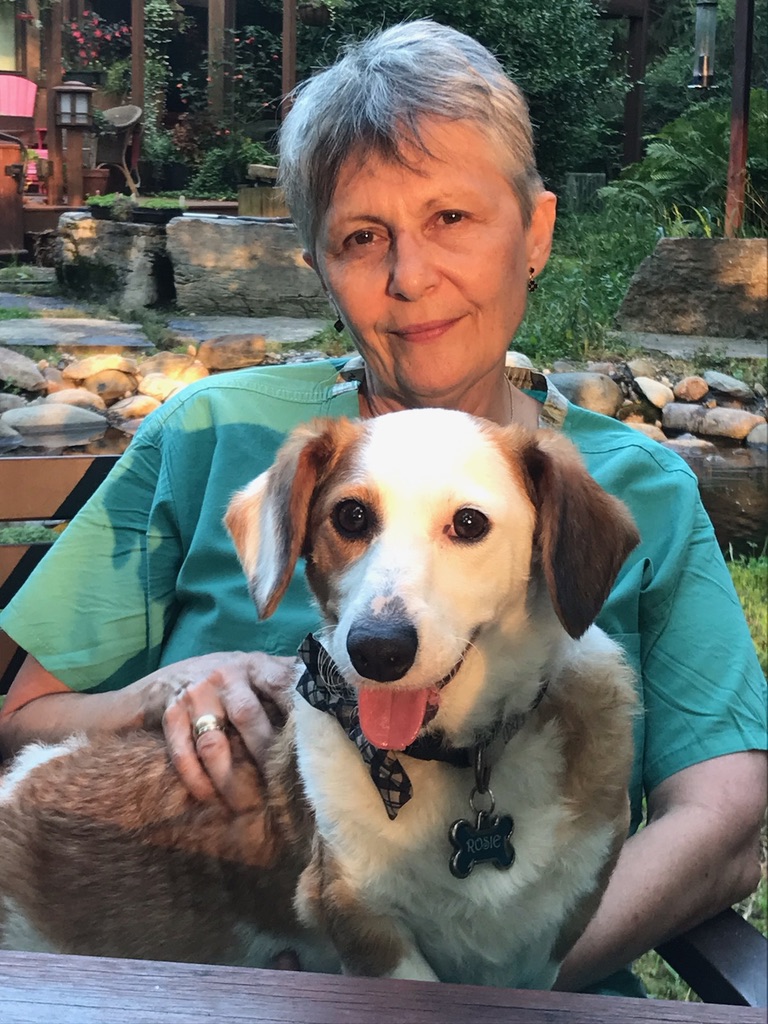 Bryden Stanley is Emeritus Professor of Surgery at Michigan State University. She graduated in 1982 from Murdoch University, completed an internship at Murdoch and was surgical registrar at the University of Sydney. From 1987 to 1990, Bryden completed her ACVS surgery residency and Master’s degree at the University of Saskatchewan, Canada. Dr. Stanley’s first faculty appointment was at the University of Edinburgh in Scotland but was at MSU from 1999-2021, where she was Head of Surgery. She is now in specialist private practice at the Animal Surgical Center of Michigan. Stanley’s clinical interests are in all aspects of soft tissue surgery, particularly upper respiratory, wound management and cutaneous reconstructive techniques. Stanley main research has been in upper respiratory diseases and wound healing. She publishes frequently, has received many teaching awards and lectures widely at a national and international level. Dr. Stanley is a Regent of the American College of Veterinary Surgeons. Bryden Stanley is Emeritus Professor of Surgery at Michigan State University. She graduated in 1982 from Murdoch University, completed an internship at Murdoch and was surgical registrar at the University of Sydney. From 1987 to 1990, Bryden completed her ACVS surgery residency and Master’s degree at the University of Saskatchewan, Canada. Dr. Stanley’s first faculty appointment was at the University of Edinburgh in Scotland but was at MSU from 1999-2021, where she was Head of Surgery. She is now in specialist private practice at the Animal Surgical Center of Michigan. Stanley’s clinical interests are in all aspects of soft tissue surgery, particularly upper respiratory, wound management and cutaneous reconstructive techniques. Stanley main research has been in upper respiratory diseases and wound healing. She publishes frequently, has received many teaching awards and lectures widely at a national and international level. Dr. Stanley is a Regent of the American College of Veterinary Surgeons.
Seminar:
This series of case-based lectures will cover the basic tenets of wound management, with the attendees understanding how a wound heals, how they can recognize the status and stage of a wound, how to best manage wounds until they are either healed or are ready for a reconstructive effort. Challenges to closure and a selection of closure options will include advanced tension-relieving techniques and some robust skin flaps, highlighting tricky areas such as lips and lids. The day will finish off with a talk on how to optimize outcomes when performing gastrointestinal surgery. The talks will be interactive and questions are encouraged throughout.
8:00 am-9:00 am: Registration & Continental Breakfast
9:00 am-9:50 am
Tips and Tricks: Wounds
There will be a brief review of wound healing. The four tenets of open wound management that have been repeatedly proven to optimize wound healing will be discussed. Specific dressings that are useful in the inflammatory phase and later in the proliferative phase of healing will be presented and discussed with the attendees. When to administer systemic antibiotics and when to culture a wound? How patience will pay off when considering reconstruction/closure.
9:50 am-10:00 am-Break
10:00 am-10:50 am
Topical Wound Medications
We will realize that the plethora of topical medications and adjunctive modalities designed to ameliorate open healing are sometimes, but not always, indicated in the types of wounds small animals typically sustain. Which of the commonest topical medications are useful in veterinary medicine, and what is yet to be definitively proven with evidence-based medicine. In addition to topical medications, modalities such as low-level laser therapy, negative pressure wound therapy, various decellularized products and other regenerative products.
10:50 am-11:00 am-Break
11:00 am-11:50 am
Cutaneous Reconstruction: Tension Relieving Techniques
There are many techniques that can significantly enhance the robustness of wound closure when there is likely to be tension or motion at the incisional edges. These include a variety of buried (walking) or additional skin sutures (bolsters, stents) as well as some relaxing incisions (mesh expansion, z-plasty, simple relaxing) that can be performed. One of the most rewarding of tension-relieving techniques is the use of stress relaxation over several days via the use of pretensioning techniques.
11:50 am-12:45 pm-Lunch
12:45 pm-1:35 pm
Approach to the Dehiscing Wound
This will be a case-based approach to the dehiscing infected wound, discussing various options for management based on size, depth of dehiscence, infection and location. The progression to obtaining a healed wound via revisional closure will be taken in a step-wise fashion, still adhering to the four tenets of open wound management discussed in the first lecture.
1:35 pm-1:45 pm-Break
1:45 pm-2:35 pm
Surgery to the Lips, Lids and Skin Folds
The superficial anatomy and blood supply to the head is unique in the cat and dog compared to other areas of the body. The face is also the most commonly gazed-upon region for owners. The tissues of lips and lids need to be stabilized before cutting, and the tissue layers apposed accurately, especially at the margins. This region is also highly mobile and incisions are prone to shear forces that need to be addressed by several layer closure or skin flap. Various lip reconstructions following traumatic laceration or tumor removal will be covered. Principles of eyelid surgery and some lid reconstruction techniques will also be discussed.
2:35 pm-2:45 pm-Break
2:45 pm-3:35 pm
Perspective Principles of Gastrointestinal Surgery
When cutting into the lumen of hollow viscera such as the gastrointestinal system, technique needs to be meticulous, as the consequences of an intestinal dehiscence can be disastrous. This talk will concentrate on the principles of actually doing intestinal surgery, including instrumentation, suture material, suture patterns, lavage, antibiotic usage, handling of the bowel, assessing intestinal viability and minimizing mistakes. It also covers pre-operative preparation and recognizing the high-risk patient, and what to do differently when faced with a high-risk patient.
This Seminar is generously sponsored by

ONSITE
Minneapolis Marriott Northwest
7025 Northland Dr. N
Brooklyn Park, MN 55428
ONLINE
You have the option to attend the Seminar, which begins at 9:00 am (central), from anywhere you have an internet connection! Choose the "online" option when you register and you will be emailed the secure link to attend the day before the Seminar. Only the registrant has access with this link as attendees are monitored and must sign-in with their name and email address. The registered attendee is also the only one eligible for the CE credits.
What will you experience? Once you have accessed the Seminar your devices screen will display the presentation slides and the speaker in different windows. Audio for all users will be done over VoIP, which means the sound comes over the internet and is not via telephone. You must have computer speakers or a headset. During the live Q&A you are encouraged to submit questions.
SEMINAR COSTS
Early-bird registration fee
(now thru May 26, 2022) |
|
Regular Registration fees
(May 27-June 16, 2022) |
|
| MVMA Member / Non-MN DVM |
$195 |
MVMA Member / Non-MN DVM |
$220 |
| MVMA Life / Inactive / Graduate Practicing / Graduate Student Intern or Resident |
$130 |
MVMA Life / Inactive / Graduate Practicing / Graduate Student Intern or Resident |
$155 |
| Technician / Staff / Other |
$125 |
Technician / Staff / Other |
$150 |
| Non-Member MN Licensed DVM |
$245 |
Non-Member MN Licensed DVM |
$270 |
| DVM Student |
$80 |
DVM Student |
$95 |
If space is still available after June 16, 2022, prices will increase by $50.
ADDITIONAL INFORMATION:
- Breaks and lunch are provided to onsite attendees.
- Handouts are provided to all participants.
- Registration changes (onsite to online) must be received 72 hours prior to the seminar. Changes are a $40 administrative fee.
- Registration cancellations must be received 72 hours prior to the seminar. Cancellation refund less a 10% administrative fee.
- This program has been approved for 6.0 hours of continuing education in jurisdictions that recognize RACE approval for veterinarians and veterinary technicians. Subject Matter Categories: Medical (6.0). Delivery Method: Interactive-Distance. Participants are responsible for ascertaining each board’s CE requirements. RACE does not “accredit” or “endorse” or “certify” any program or person, nor does RACE approval validate the content of the program.
|